

Description
Ford tried to create a proper supercar for over three decades, but when the vehicle was finally unveiled, everyone knew that the wait was worth it.
The blue-oval badged brand made the GT celebrate its hundredth anniversary and outperform all other supercars on the market. Even though it didn’t tick all the boxes on that aspect, it managed to propel its wonder on wheels on the podium. The design team that penned the car took its inspiration from the original GT40 that won the 24 Hours of LeMans four times, beating Ferrari at its own game. And the 2004 GT did exactly the same, but in street clothing against the F360 that came from Maranello.
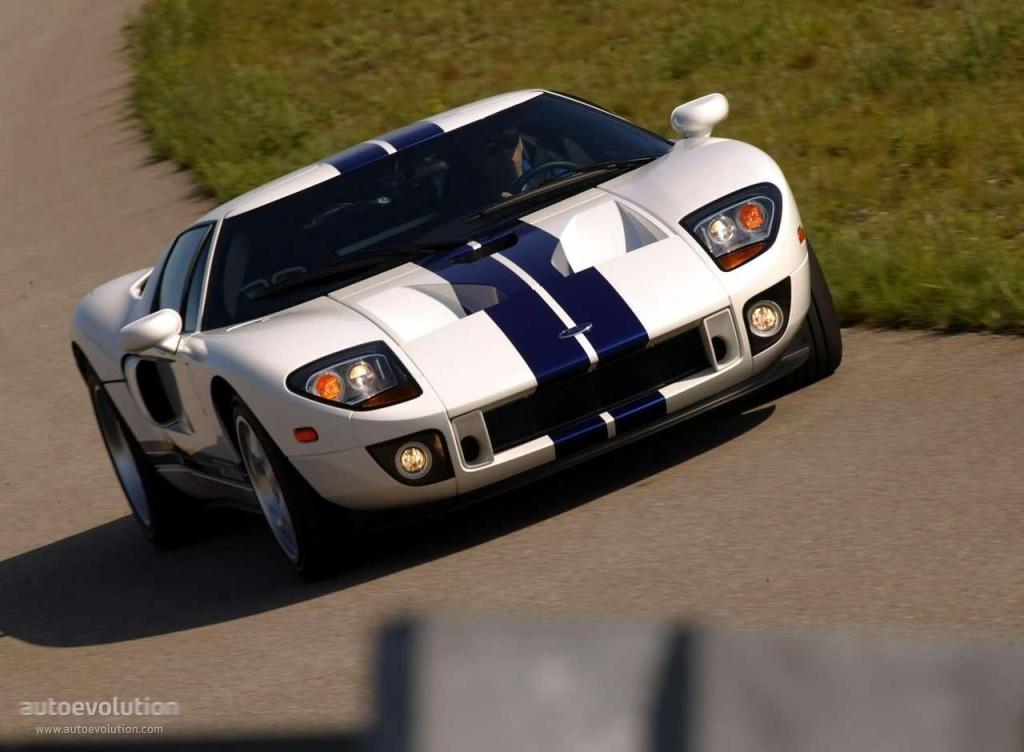
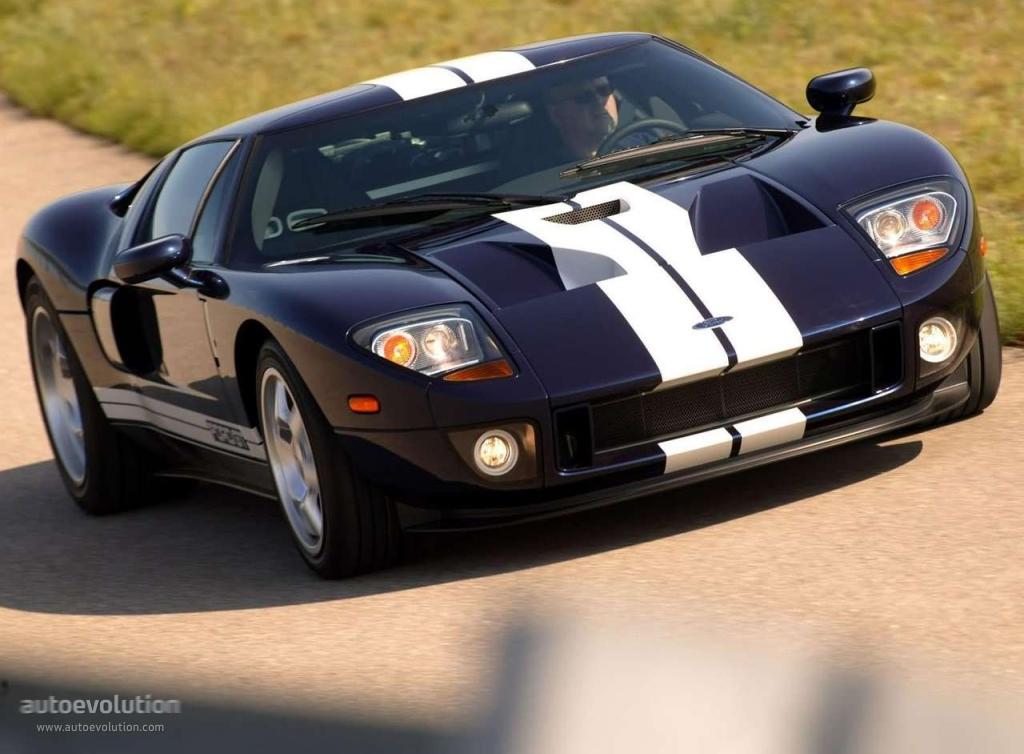
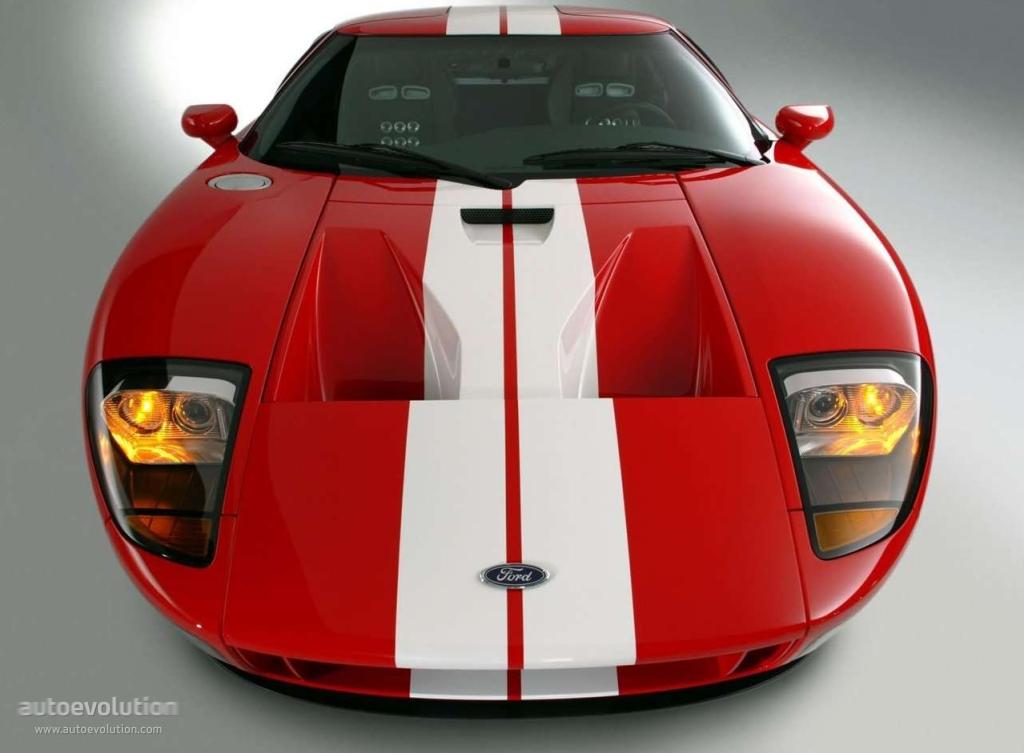
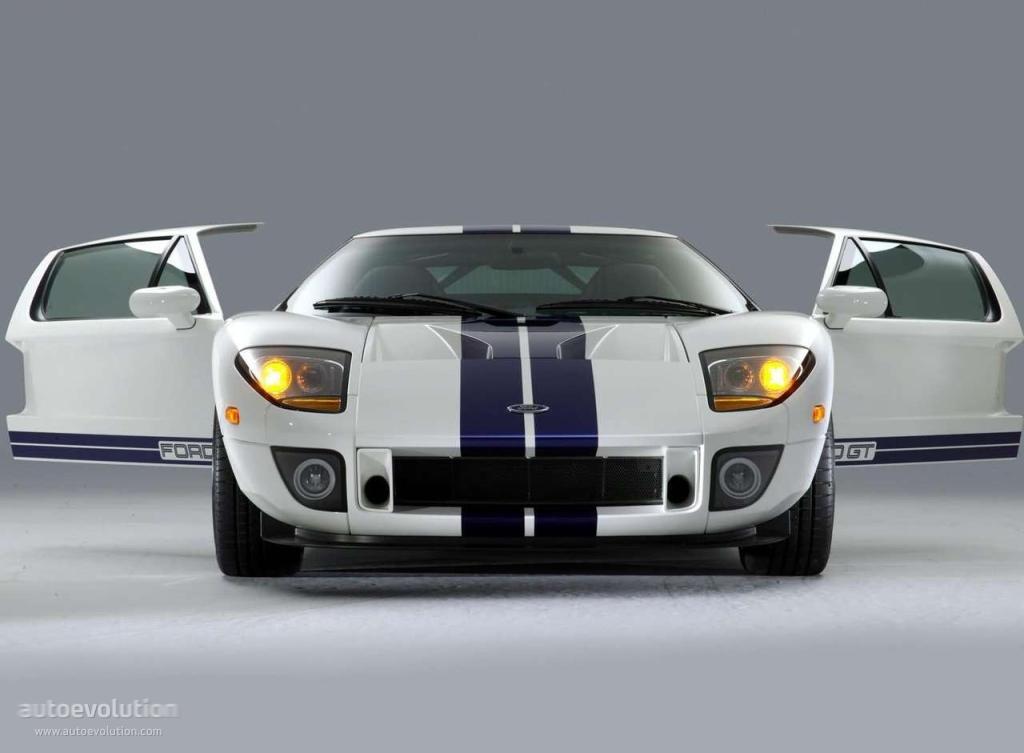
Caroll Shelby joined Ford once again to create the GT. The design team led by Camillo Pardo worked with help from J Mays, and the result was a modern interpretation of the LeMans winning car. Its front fascia showed a broad air intake in the bumper flanked by the scoops for the fog lamps. The headlights were flush with the bodywork, and the hood featured two oversized extracting vents.
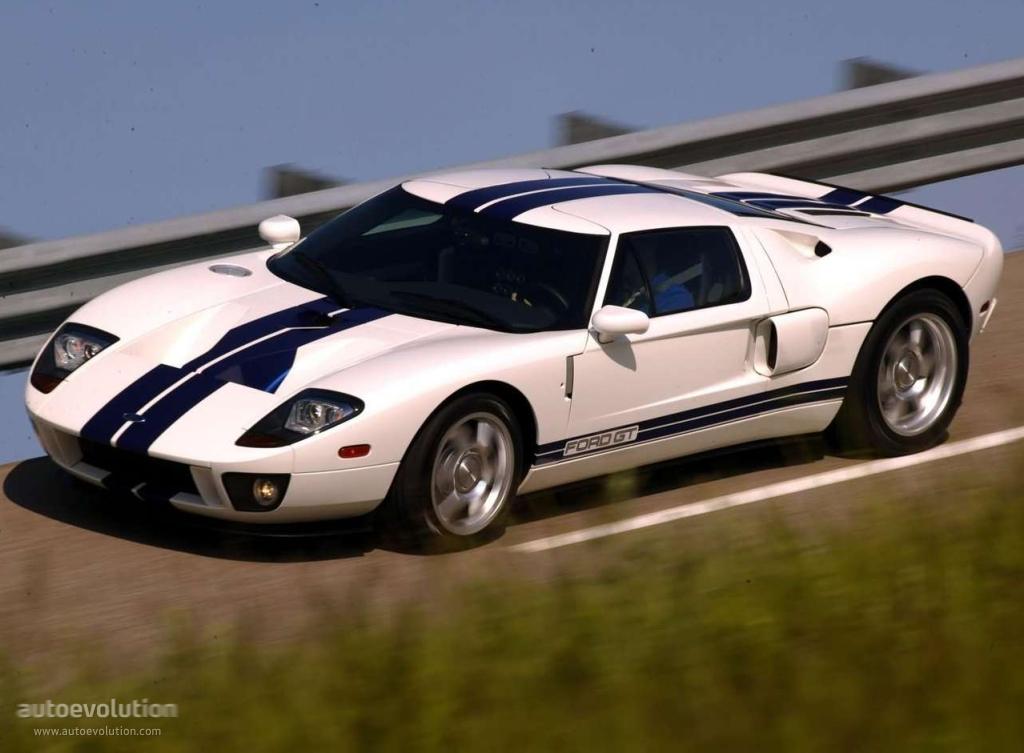
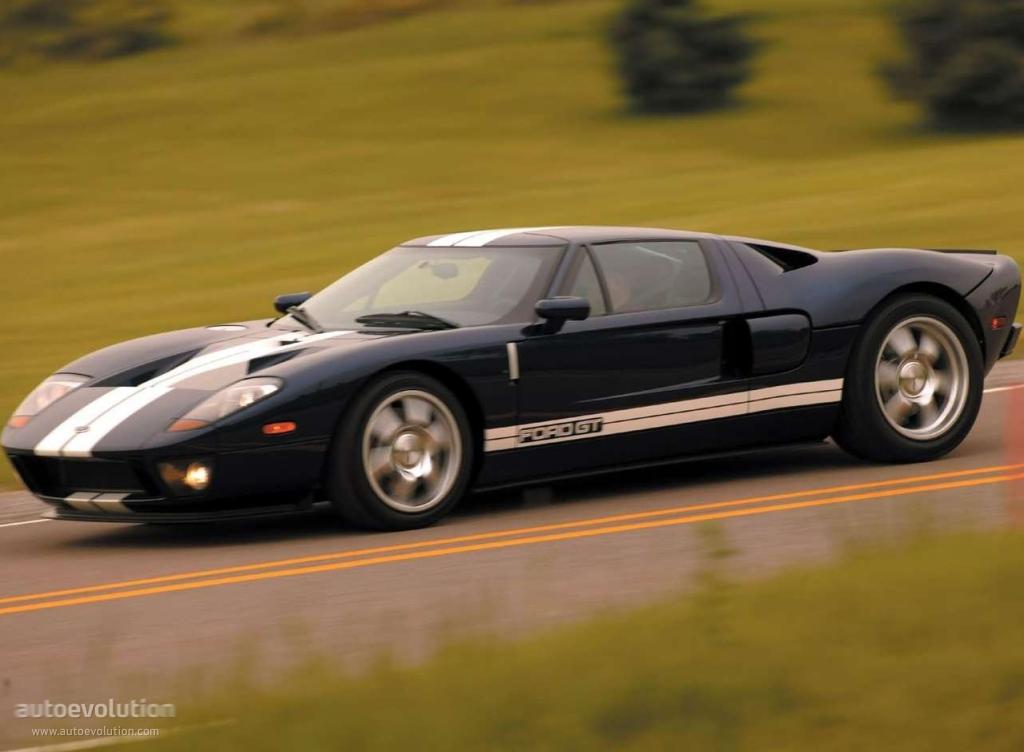
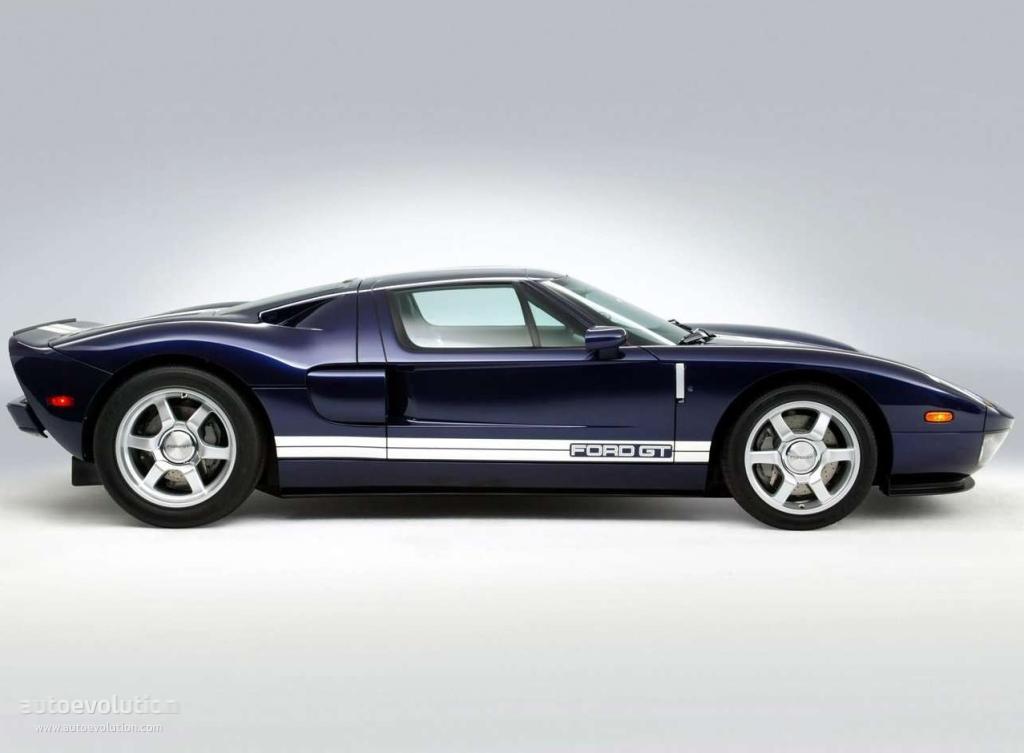
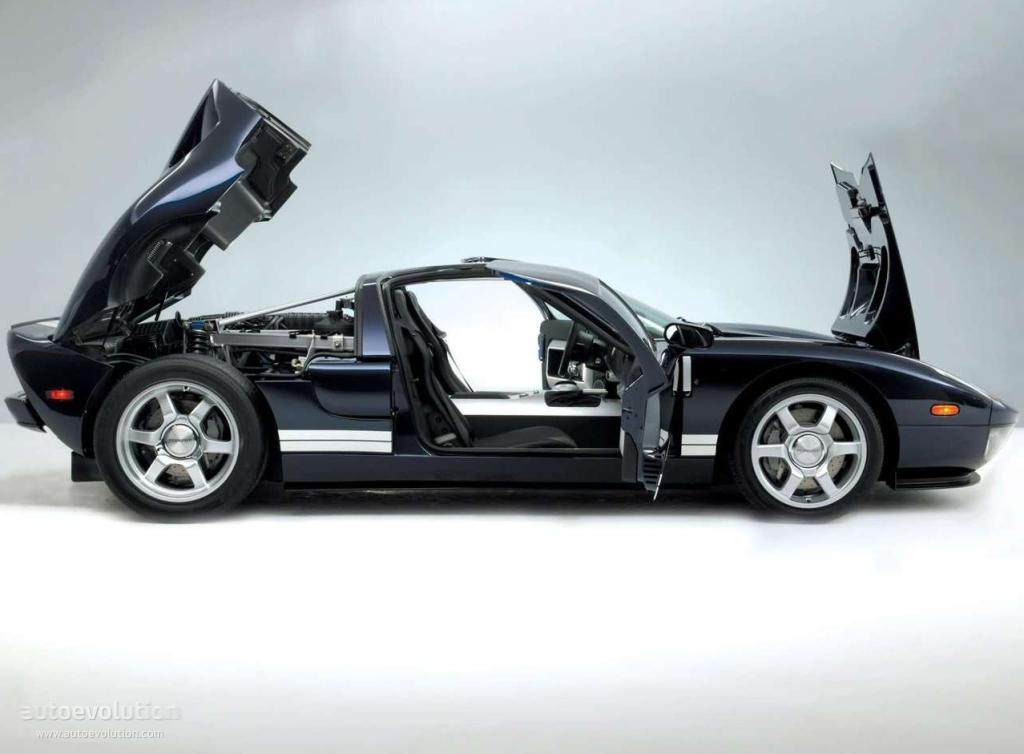
From its profile, the car was four inches (100 mm) taller than the original 40-inch (1,106 mm) model. It was also longer and wider, so regular people could get inside. From its profile, the waved shapes of the waistline resembled the lines of the GT40 and those featured on the muscle cars of the mid-60s. Its big, six-spoke alloy wheels were wrapped in low-profile tires, like a proper supercar. Furthermore, a pair of air intakes placed behind the doors confirmed the fact that the engine was behind the cabin.
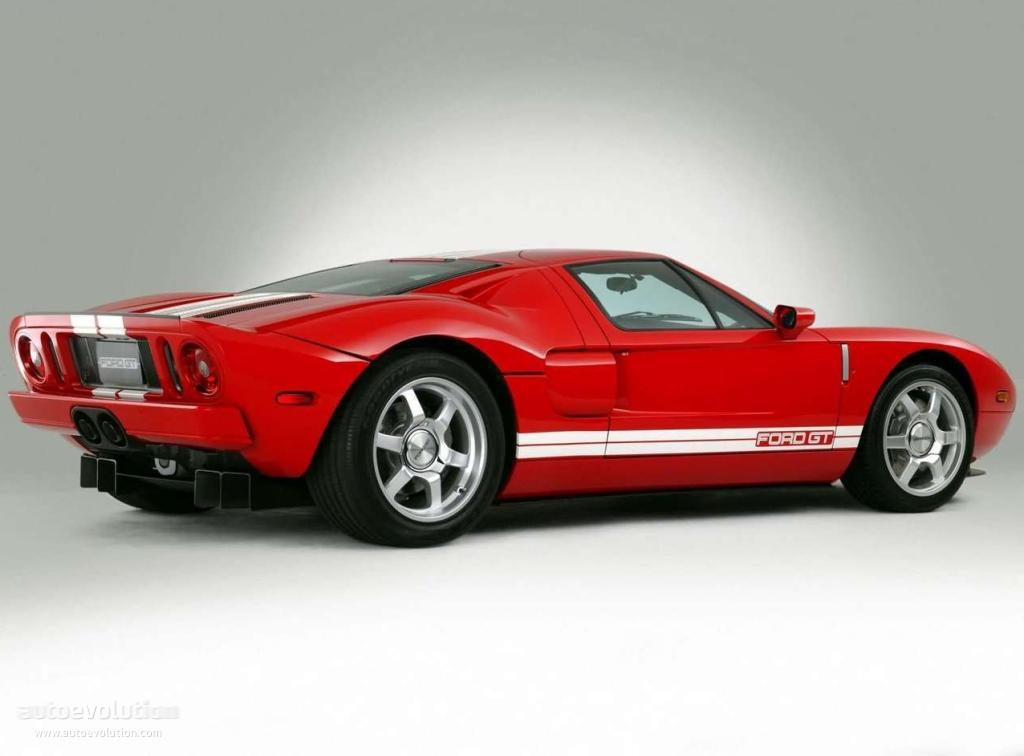
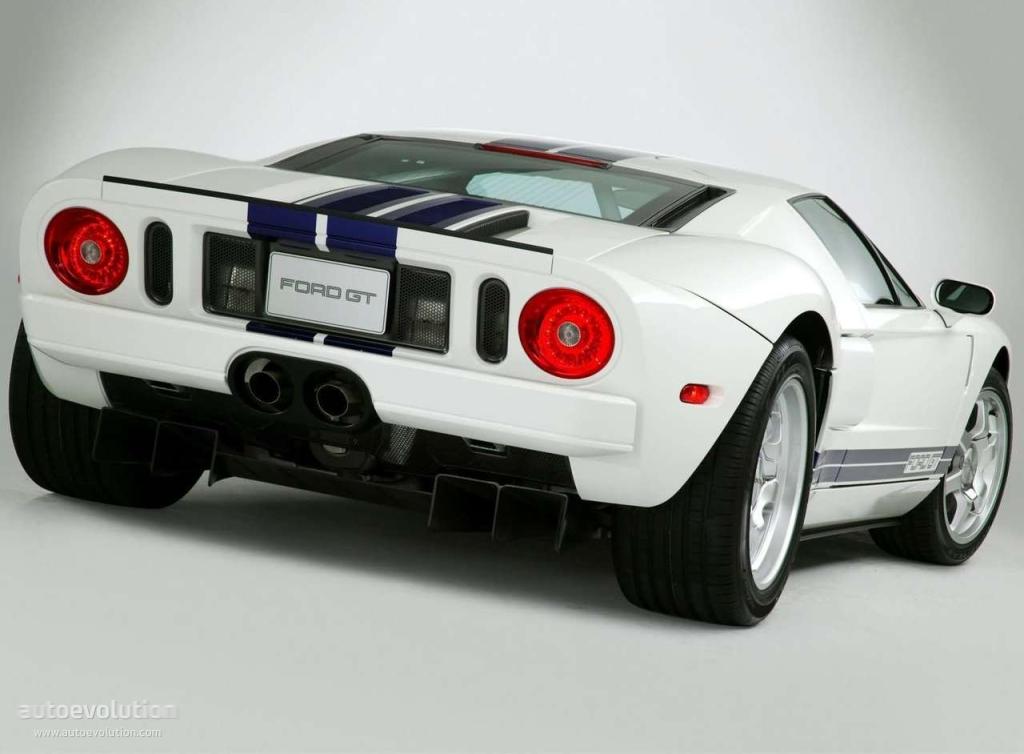
Ford went even further and created a clamshell that covered the engine bay where it placed the supercharged V8 engine, even though that could be seen through the glass above it. Finally, at the back, the rear fascia sported a pair of big and round taillights that echoed those installed on the 1964 GT40 MKI. In the middle, under the bumper, Ford installed the twin exhausts.
Thanks to the taller stance, the car had enough headroom even for tall occupants. But still, the doors cut a big chunk of the GT’s roof to help with ingress and egress. The automaker created a pair of seats that echoed those from the GT40 but with new materials and technology. As a result, the high-bolstered sports seats provided enough side support during high-speed cornering. Ford created a unique wide instrument cluster filled with seven dials. In front of the driver was the tachometer, while the speedometer was above the center stack, tilted to the one behind the wheel. On the center console, the automaker placed the gated gear stick and a few buttons and knobs.
Behind the cabin, Ford installed a supercharged 5.4-liter V8 engine and a six-speed manual gearbox. As expected, power went to the rear wheels only. Even if the automaker barely made a bit over 4,000 units of the GT, the car became an instant legend since it was the first proper American supercar.
Press Release
Unveiled at the 2002 North American International Auto Show, the Ford GT40 concept became an instant sensation. And just 45 days after the vehicle was unveiled, Ford stunned the world again, officially announcing that a production version was in the works. Ford's GT40 concept car was created to celebrate that great era in history and look forward to the great years to come.
Although the new production car and the original race car both share the mystique of the Ford GT name, they do not share a single dimension. The new car is more than 18 inches longer and stands nearly 4 inches taller. Its new lines draw upon and refine the best features of Ford GT history and express the car's identity through modern proportion and surface development.
The Ford GT production car, like the concept, casts the familiar, sleek look of its namesake; yet every dimension, every curve and every line on the car is a unique reinterpretation of the original. The car features a long front overhang reminiscent of 1960s-era race cars. But its sweeping cowl, subtle accent lines and high-intensity-discharge (HID) headlamps strike a distinctly contemporary pose.
The front fenders curve over 18-inch wheels and Goodyear Eagle F1 Supercar tires. In the tradition of original Ford GT racers, the doors cut into the roof. Prominent on the leading edge of the rear quarter panel are functional scoops that channel fresh air to the engine. The rear wheel wells, filled with 19-inch wheels and tires, define the rear of the car, while the accent line from the front cowl rejoins and finishes the car's profile at the integrated "ducktail" spoiler.
The interior design incorporates the novel "ventilated seats" and instrument layout of the original car, with straightforward analog gauges and a large tachometer. Modern versions of the original car's toggle switches operate key systems.
Looking in through the backlight, one finds the essence of the sports car in a 5.4-liter supercharged version of Ford's MOD V8 engine. The finishing touches are "Ford Blue" cam covers, each featuring an aluminum coil cover imprinted with the words "Powered by Ford."
Chassis and Powertrain
The Ford GT team knew this road car would require a stiff structure, much like a race car. As such, they developed an all-aluminum space frame comprising extrusions, castings and several stampings. The hybrid aluminum space frame chassis is based on efficient use of 35 extrusions, seven complex castings, two semi-solid formed castings and various stamped aluminum panels.
The new Ford GT is intended for the road, unlike the original 1960s race cars that ultimately spawned a limited number of production road cars. However, the new car required unique race-like engineering solutions - like engineering out the aerodynamic "lift" inherent in the original car's design - for a car that will clock in at more than 205 mph. The new Ford GT includes racing-inspired ground effects ducting under the rear fascia.
The Ford GT features many new and unique technologies, including super-plastic-formed aluminum body panels, roll-bonded floor panels, a friction-stir welded center tunnel, a capless fuel filler system, one-piece door panels and an aluminum engine cover with a one-piece carbon-fiber inner panel.
As on the historic race car, the Ford GT aluminum body panels are unstressed. Instead of the steel or honeycomb-composite tubs used in the 1960s, the Ford GT team developed an all-new aluminum space frame as the foundation. The chassis features unequal-length control arms and coil-over spring-damper units to allow for its low profile.
Braking is handled by four-piston aluminum Brembo monoblock calipers with cross-drilled and vented rotors at all four corners. When the rear canopy is opened, the rear suspension components and engine become the car's focal point. Precision-cast aluminum suspension components and 19-inch Goodyear tires - combined with the overwhelming presence of the V8 engine - create a striking appearance and communicate the performance credentials of the Ford GT.
The Ford GT motor, based on the largest V8 in Ford's modular engine family, features 85 percent new moving parts and produces 550 horsepower and 500 pound-feet of torque. Both figures are comparable to those of the 7.0-liter engine that won the 24 Hours of Le Mans in 1966 and 1967.
The 5.4-liter powerplant is all-aluminum and fed by an Eaton screw-type supercharger. It features 4-valve cylinder heads and forged components, including the crankshaft, H-beam connecting rods and aluminum pistons. Power is put to the road through a Ricardo six-speed manual transaxle featuring a helical limited-slip differential.
Race History
The original Ford GT40 racers were engineering and design marvels demonstrating Ford's dedication and perseverance. In a few short years, under the direction of Henry Ford II, the company built a program from scratch that reached the pinnacle of international motorsports competition - and stayed there for four racing seasons.
Perhaps the world's most significant - and glamorous - motorsport contest, Le Mans in the early 1960s was showing signs of becoming a Ferrari showcase, because the Italians had become the leaders in a number of endurance classes and events. But the Ford GT race car changed Le Mans forever, and today it signifies a new era for Ford Motor Company.
Major Equipment
Brembo monoblock brake calipers, one-piece BBS wheels (18-inch front, 19-inch rear), Goodyear Eagle F1 supercar tires, carbon-fiber bucket seats with ventilated leather seating surfaces, 6-speed manual transmission, AM/FM stereo with CD, bi-xenon headlamps, fog lamps, driver and passenger front air bags, ABS, leather-wrapped tilt steering wheel, passive anti-theft system, power exterior mirrors, windows and door locks, air conditioning, remote keyless entry and rear window defroster.