




Description
Ford introduced the Puma on the market in 1998 as a contender in the small-sized coupe segment in Europe, building the car on the same platform as the Fiesta but with significant improvements in all areas.
The American automaker gave the bio-design trend a boost when it launched the Lynx concept car at the 1996 Geneva Motor Show. Ghia designed the concept, and there were just a few people who knew that Ford considered producing it. Yet the miracle happened, and in 1998, the car manufacturer created the production version of it. The main difference between the concept and the production version was mostly the name, not the shape, which remained the same.
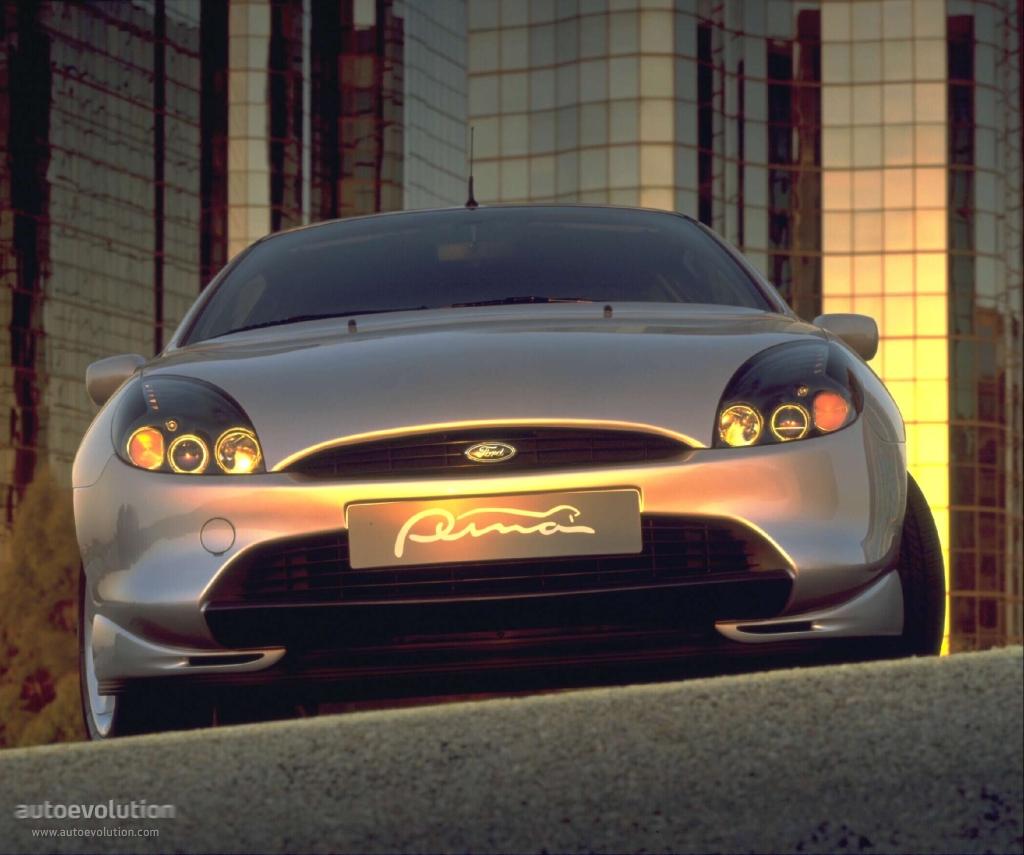
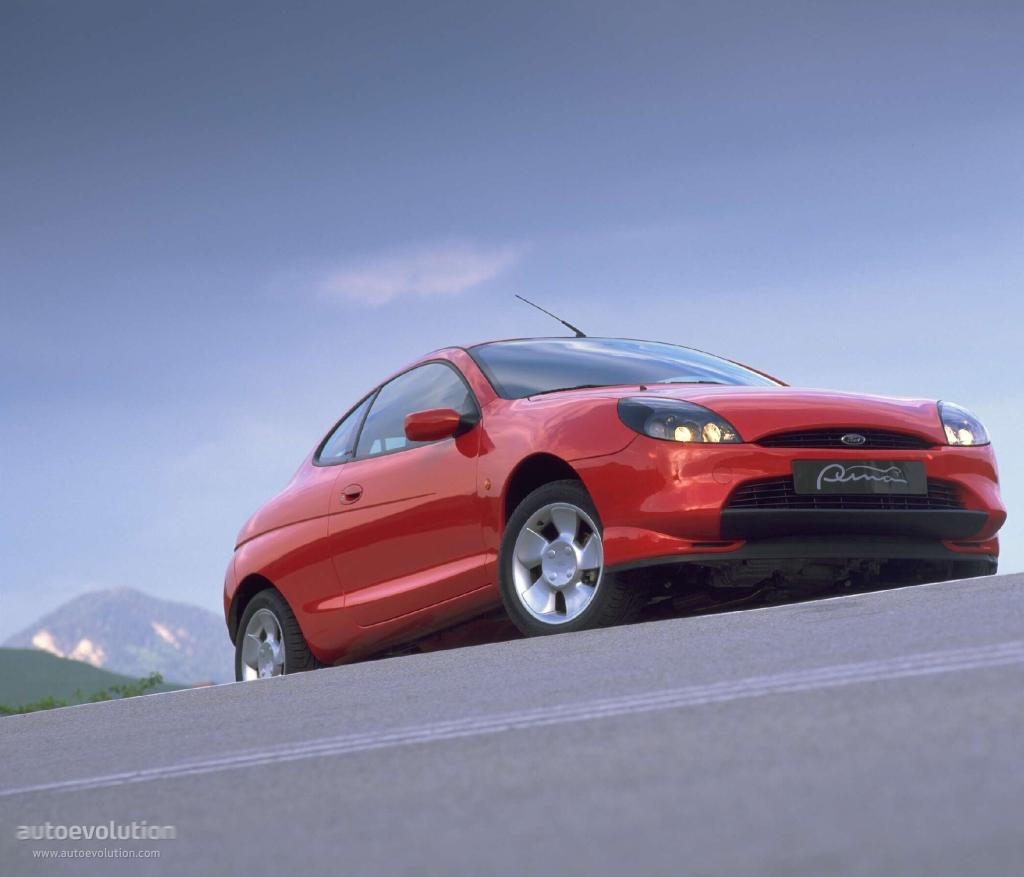
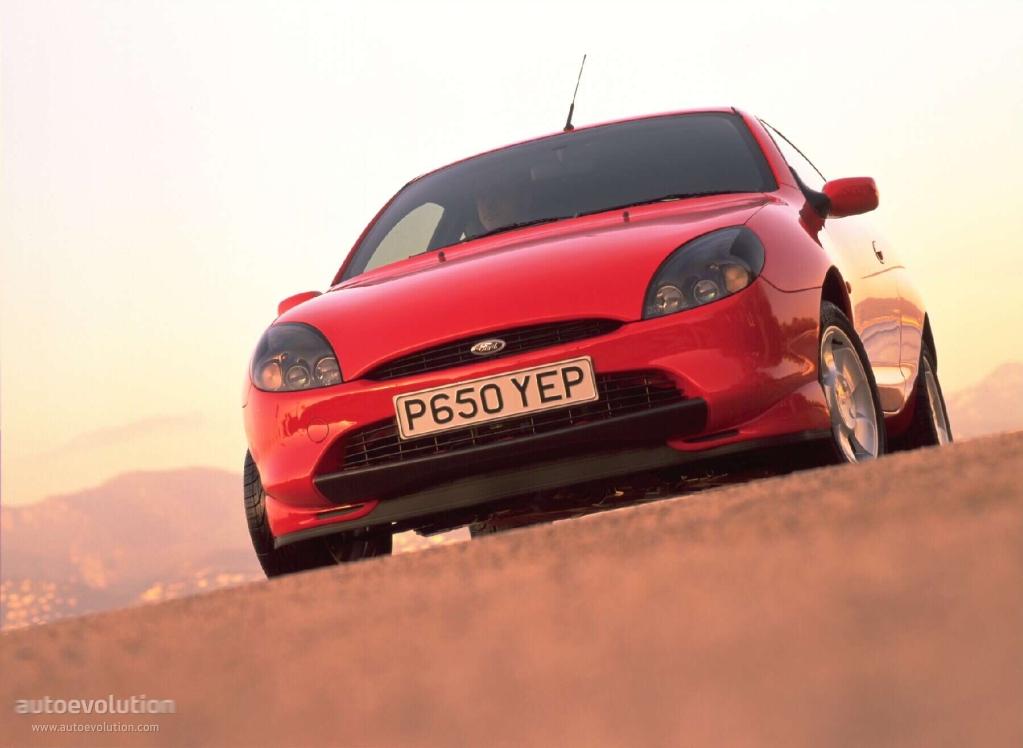
Ford stretched the Fiesta’s wheelbase, used Ghia to pen the vehicle, and installed a choice of gasoline engines under the car’s hood to create one of the most daring vehicles that were put on sale in Europe in the late ‘90s and the beginning of the 2000s. The car’s front sported swept-back headlights that mimicked a feline’s eyes and a half-oval-shaped upper grille where the blue-oval badge took center stage. On the lower bumper, the automaker added a broader air intake that was needed to cool the engine. Furthermore, a splitter was added underneath the apron to emphasize the car’s sporty look.
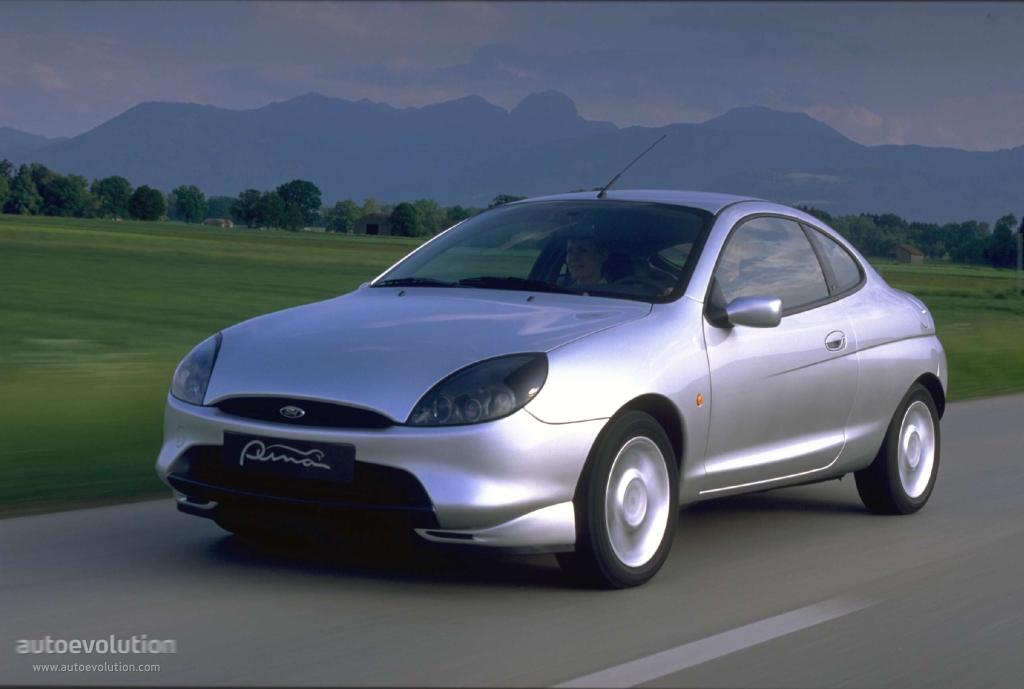
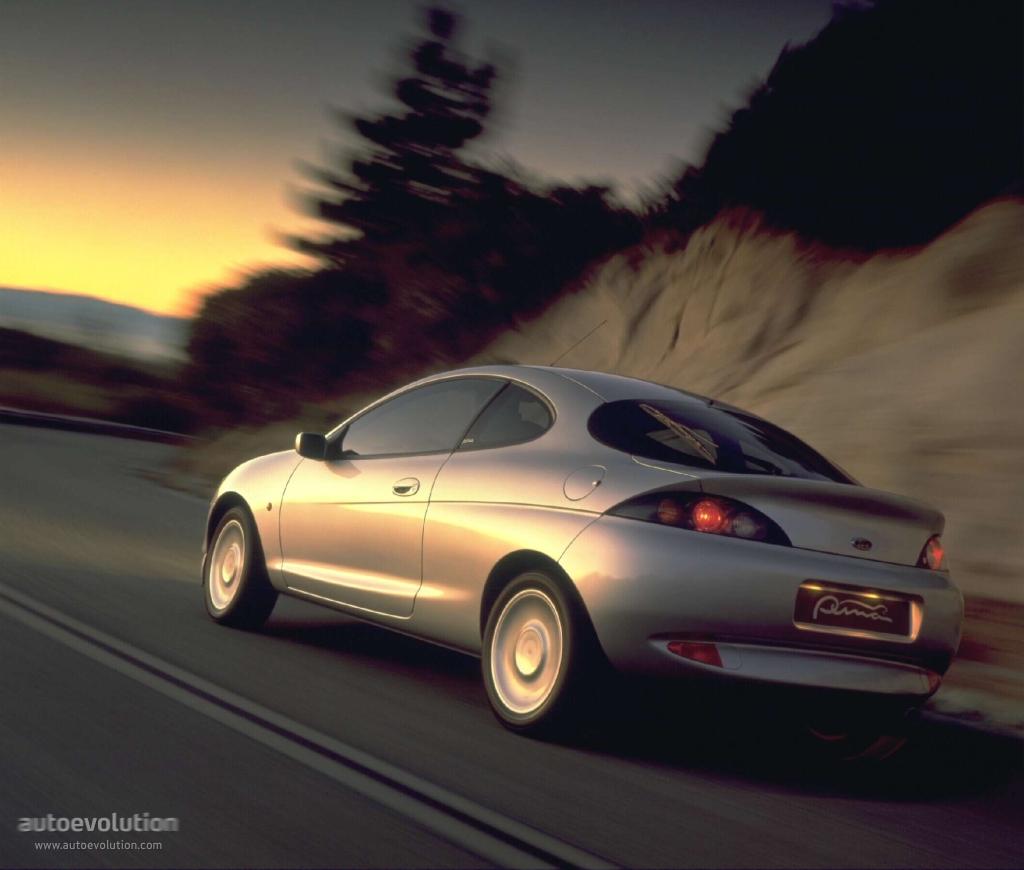
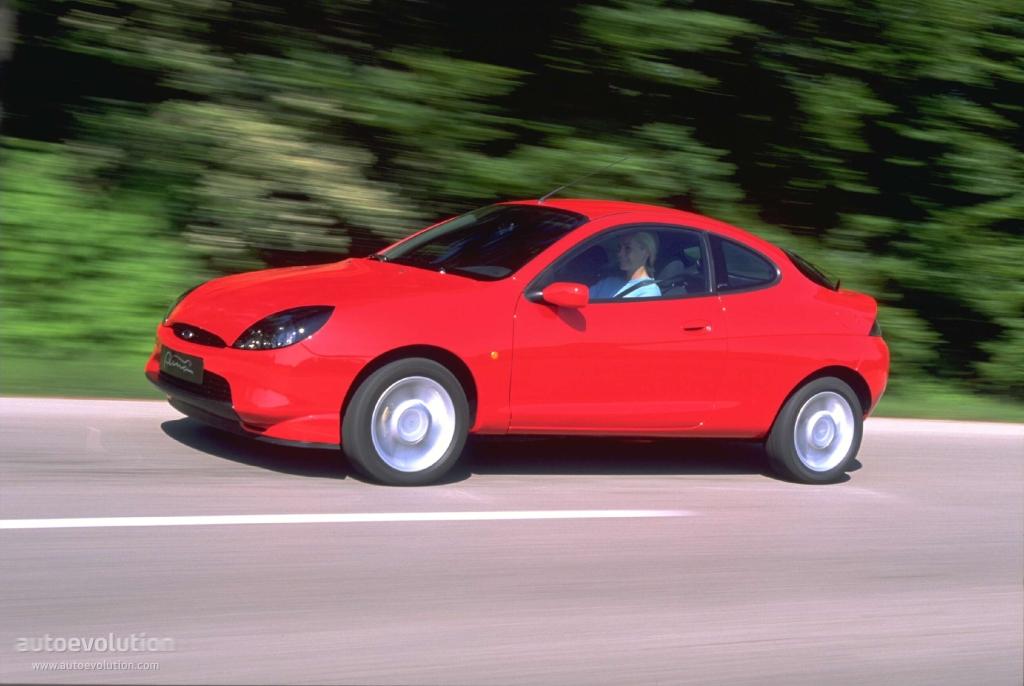
From its profile, the cab-forward design with its elliptic window line confirmed to customers that this was a real coupe, not a hatchback with slightly altered bodywork. In addition, the rear quarter panels was crossed by a crease that started from the door panels and ended on the corner-mounted taillights. The sporty little hatchback featured a rear fascia with elliptic-looking taillamps. Furthermore, the sloped rear windshield was also penned using rounded lines, like there was no straight angle or ruler in Ford’s entire design studio.
Inside, customers faced a rounded-shaped dashboard that resembled the one from the Ka and the Fiesta. Still, the instrument cluster was different and featured a center-mounted speedometer flanked on its left by the rev counter and on the right by the fuel and temperature gauges. The sports bucket seats for the front occupants featured bolstered areas to keep their occupants safe during high-speed cornering maneuvers. In the back, the tiny bench seat was mostly adequate for children due to the low roofline and limited legroom.
While some of the car’s underpinnings were shared with the Fiesta and Ka, the drivetrain was not the same. Ford offered the car fitted with a choice of three gasoline engines ranging between 90 PS (89 hp) and a peepy 125 PS (123 hp) paired with a five-speed manual gearbox. In addition, the car’s suspension and steering rack were recalibrated, making the car a better handling one compared with the regular Fiesta.
Press Release
The Ford Puma was a small coupe produced by the Ford Motor Company from 1997 to 2002. It came in four versions over the years: 1.4 Zetec-SE (90 bhp), 1.6 Zetec-SE (103 bhp), 1.7 Zetec-SE VVT (125 bhp), and 1.7 Ford Racing Zetec-SE (155 bhp). The car was based on the Ford Fiesta with new engines (from Yamaha), a new body and modified suspension, as well as other changes. 1.7 Pumas came with both low speed traction control and anti-lock brakes, 1.4 Pumas had an option of anti-lock brakes.
Weighing approximately 1,040 kg (2,293 lb), the relatively decent amount of power was sufficient to give the car decent performance. The 1.7 version accelerated from 0 to 62 mph (0 to 99 km/h) in 8.6 seconds, and could accelerate from 30 to 70 mph (48 to 112 km/h) in 8.8 seconds.
Stylistically, the Puma followed Ford's New Edge design strategy, as first seen in the 1996 Ford Ka. While not as controversial as the Ka when it first appeared, the Puma did achieve critical acclaim for its well-proportioned and cat-like design cues.
The Puma was memorable for its launch campaign that featured the late Steve McQueen. The original UK television commercial used clips from the movie Bullitt and cut McQueen into the modern setting of a Puma in San Francisco.
The Puma was only sold in Europe and was supposedly replaced by the Ford StreetKa, which is based on the Fiesta just as the Puma was. The StreetKa also borrowed the Puma's transmission and suspension. The discontinuation of the Puma seemed to herald the end of the small coupe market in Europe, with the Vauxhall Tigra entering a short hiatus later on, as well as similar models from other manufacturers.